Learn more in our training program.
Join our membership network.
Attend our events and collaborate.
Add your voice to our policy matters.

Get involved in our genetic registry.

Donate to our cause.
The Latino Cancer Institute (TLCI) is a nationwide community and research network dedicated to solving the issues and burden of Latino cancer.

Cancer remains one of the leading causes of death among Hispanics/Latinos in the U.S., accounting for approximately 17% of deaths. At the same time, federal support for health equity and cancer disparities research is facing unprecedented cuts—making community-driven leadership more critical than ever.
Cancer affects Latino men and women differently, requiring targeted approaches. Among Latinas, breast cancer remains the most commonly diagnosed cancer and the leading cause of cancer death, while cervical cancer continues to pose a serious and largely preventable threat.
For Latino men, the challenges are equally urgent. Lung cancer remains the leading cause of cancer death, and Latino men are more likely to be diagnosed with prostate, colorectal, liver, and testicular cancers—often at later stages.
Our mission. The Latino Cancer Institute works to reduce the burden of cancer in Latino communities by convening expertise, amplifying community-informed research, and advocating for equitable cancer care. As public funding becomes more uncertain, philanthropic support helps ensure Latino communities are not left out of cancer research, policy discussions, or solutions. Learn more about our work.
For over 20 years, Founder Ysabel Duron has played a vital role in bringing together those dedicated to making a difference in the Latino cancer landscape. From cancer community workers and caregivers to international medical researchers and policymakers, Ysabel has forged important alliances in a field crowded with many competing interests and agendas.
It takes a savvy insider who has traveled this terrain far and wide to help the Latino cancer community at-large continue changing the landscape. TLCI offers the definitive road map.
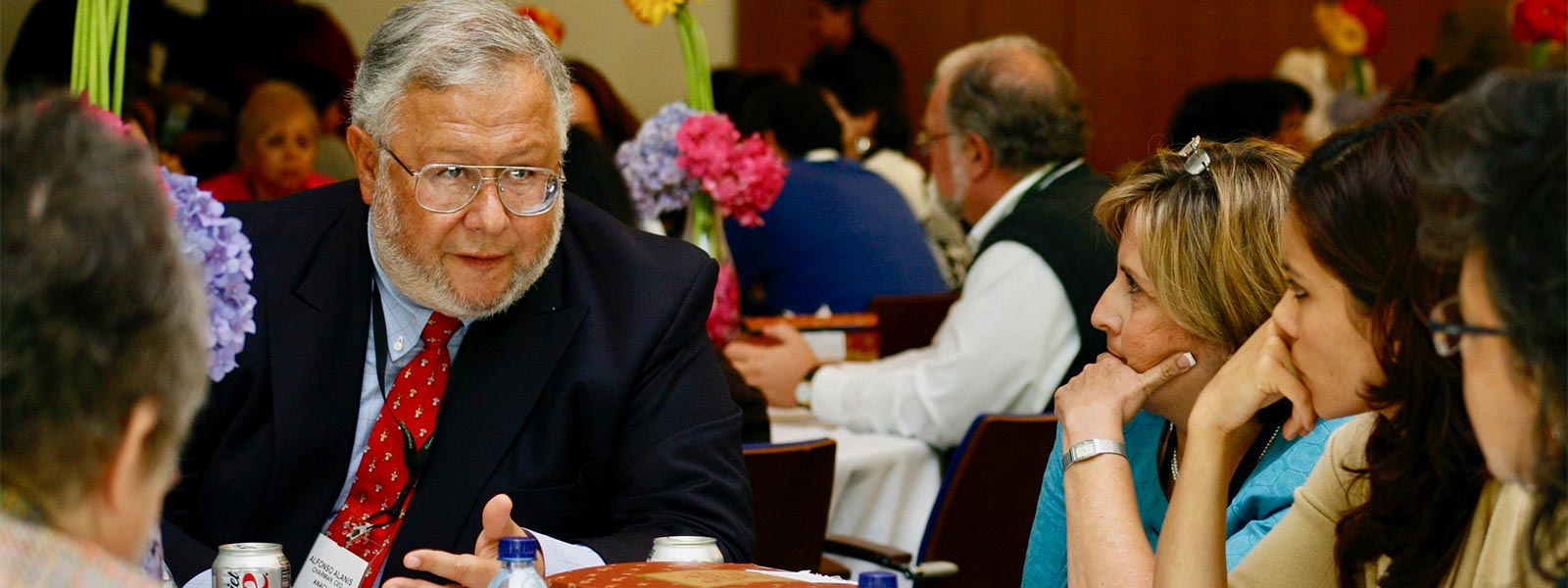
The Latino Cancer Institute acts as a network for agencies, linking members to share knowledge and best practices. Connecting colleagues, peers and institutions is critical to The Institute’s ongoing mission to amplify and disseminate outstanding work in the cancer arena, and to support one another.
The Latino Cancer Institute provides opportunities to network, learn and collaborate with stakeholders in the cancer landscape including Latino cancer researchers.
The Latino Cancer Institute convenes leading experts, advocates, and community voices to examine critical cancer issues affecting Latino communities and to surface actionable insights. Recordings from TLCI’s recent Forums are now available—free to watch—covering cancer risks, disparities, and lived experiences across Latino women, men, children, and families. Watch Forum videos.
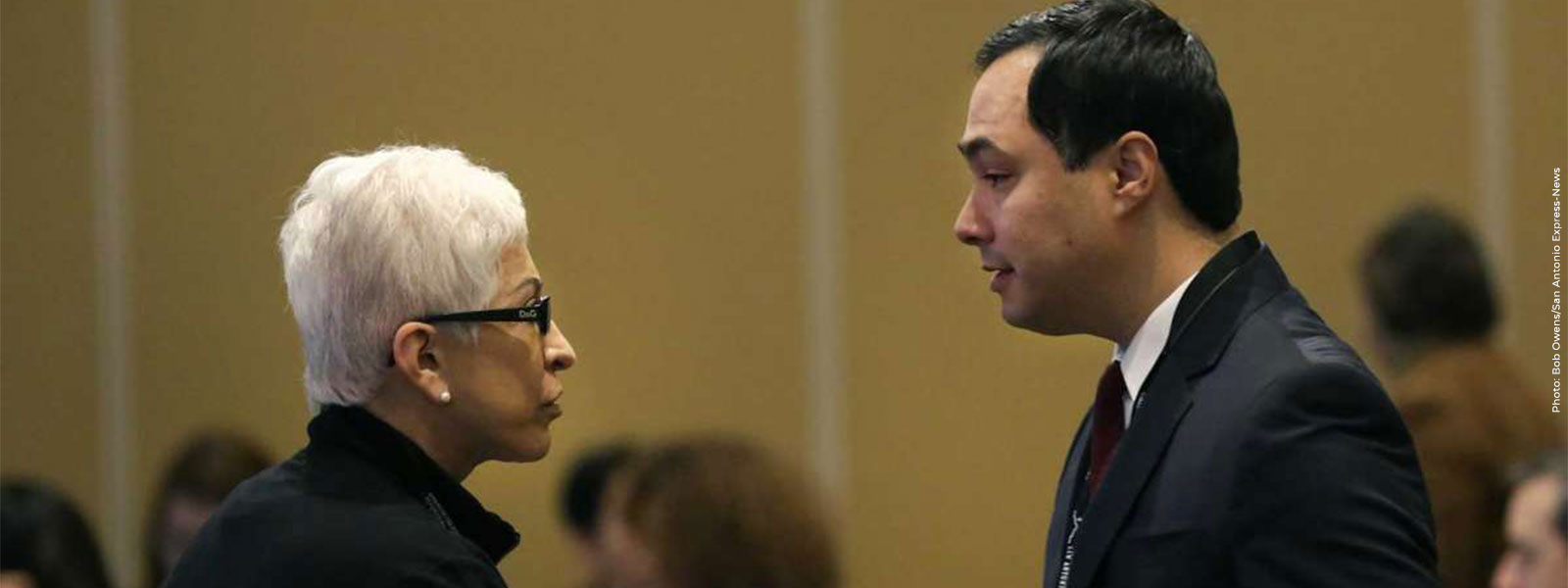
The Latino Cancer Institute leverages our united voice at the national table to advance Latino cancer concerns including education, services, funding, and research. Our aim is to be heard, understood and included in any proposed policy.
As a nonprofit organization, we rely on philanthropy and grants in our mission to support other agencies. Your funding allows us to continue the development of new programs and tools we can share with those making a difference in the lives of Latino cancer patients, survivors, and their caregivers.
Scientists at McGill University have found a way to supercharge the immune system’s natural killer (NK) cells, helping them break through the defenses tumors use to stay alive. By temporarily blocking two proteins, researchers turned these cells into far more effective cancer fighters against difficult cancers like leukemia, glioblastoma, kidney cancer, and triple-negative breast cancer.
Scientists at UT Southwestern have uncovered a surprising new “master switch” that helps control how much cholesterol the liver sends into the bloodstream. The newly identified protein, HELZ2, works by shutting down the genetic instructions needed to produce apoB — a key building block of the cholesterol-carrying particles linked to clogged arteries and heart disease.
Scientists have cracked open the “black box” of feline cancer in a landmark study that genetically analyzed nearly 500 cat tumors from around the world. The research uncovered striking similarities between cancers in cats, dogs, and humans — including shared cancer-driving genes tied to aggressive breast cancers.
A surprising study suggests vitamin D2 supplements may reduce the body’s levels of vitamin D3 — the more effective form of vitamin D. Researchers found D3 not only boosts vitamin D status more efficiently, but may also play a unique role in helping the immune system fight off viruses and bacteria. The discovery is prompting scientists to rethink whether D3 should become the preferred choice for supplementation.
Getting enough vitamin B12 to meet current health guidelines may not actually be enough to protect the aging brain. Researchers at UC San Francisco found that older adults with “normal” but lower levels of active B12 showed signs of slower thinking, delayed visual processing, and more damage to the brain’s white matter — the communication highways that help different brain regions work together.
Scientists are uncovering a surprising truth about aging cells: some may damage the body, while others help protect it. The discovery is fueling a new wave of precision anti-aging therapies aimed at removing only the harmful “zombie” cells without disrupting the body’s natural repair systems.